Character Vector Art: Building Brand Personas for the Modern Gaming Audience
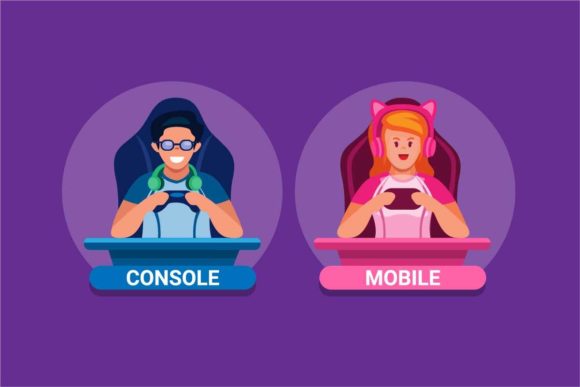
The visual landscape of gaming has evolved far beyond in-game assets and console logos. Today, a critical component of industry communication lies in the use of standardized, scalable character illustrations designed for marketing, UI, and community engagement. Specifically, the emergence and adoption of cohesive Gamer Boy and Girl Character Set Vector libraries represent a significant shift in how brands, platforms, and creators establish a visual dialogue with their audience. These are not mere cartoons; they are carefully crafted vector-based illustration sets depicting stylized gamer personas, often accompanied by associated icons like controllers, headsets, and mobile devices, forming a complete visual system.
Beyond Illustration: The Vector Set as a Strategic Asset
At its core, a Gamer Boy and Girl Character Set Vector collection is a professional design resource. Created in vector graphic software, these illustrations are defined by mathematical points and paths, making them infinitely scalable without loss of quality. This technical aspect is paramount for practical application. A character set can be rendered as a tiny app icon, a massive banner ad, or printed on physical merchandise with identical clarity. The "set" nature is equally important—it provides multiple poses, expressions, and perhaps even wardrobe variations for a consistent male and female character archetype, alongside a suite of gaming symbols. This offers designers a flexible toolkit, not a single static image.
Alignment with Converging Industry Trends
The relevance of these vector sets is amplified by several parallel developments in the market.
- The Mainstreaming of Gaming Identity: Gaming is no longer a niche hobby. It's a primary form of entertainment, social interaction, and even professional competition for a diverse, global demographic. Brands across sectors—from financial services to food and beverage—seek to connect with this audience. A universally recognizable, positive gamer character vector provides a safe, inclusive visual shorthand for "gaming culture," avoiding the complexity or potential negativity of using actual game footage or licensed characters.
- The Demand for Rapid, Consistent Content Creation: Marketing teams, freelance creators, and startup entrepreneurs operate at high velocity. They cannot commission custom illustration for every campaign, app screen, or social post. A pre-made, royalty-free vector set acts as a visual backbone, ensuring brand consistency across all touchpoints while dramatically speeding up production workflows. This meets the modern expectation for agile content deployment.
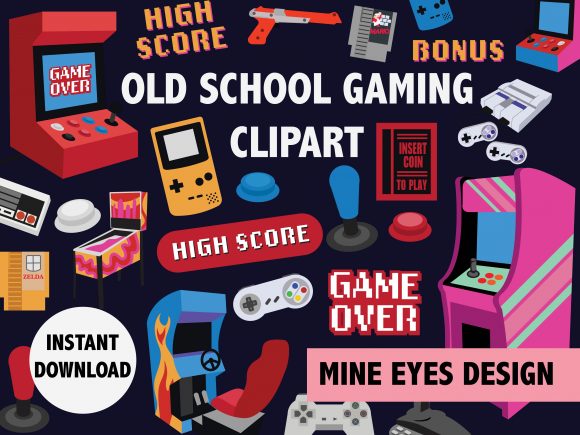
- Platform Universality and UI Design: With gaming experiences spanning consoles, PCs, mobile devices, and cloud platforms, interface design must feel cohesive. These character sets, often including both console and mobile gaming symbol illustration vectors, allow a single design system to represent multiple gaming modalities. A mobile game's website can use the same character holding a phone, while its partner console app uses the same character holding a controller.
Why the Market is Paying Attention: From Utility to Symbolism
The attention given to these assets stems from their dual value: practical utility and cultural symbolism.
On a practical level, as outlined, they solve a real production problem. On a symbolic level, they represent an effort to humanize and diversify the abstract concept of "the gamer." Historically, gaming marketing relied on hardware shots, explosive action scenes, or stereotypical portrayals. Contemporary vector sets tend toward friendly, energetic, and aspirational characters. They are often designed with a casual, contemporary style that feels approachable. This reflects a broader industry move towards highlighting the player community itself—their passion, camaraderie, and lifestyle—rather than solely focusing on the virtual worlds they inhabit.
Furthermore, their vector format makes them inherently future-proof and adaptable. As design trends evolve, a base vector character can be recolored, re-styled, or integrated with new visual elements without needing to be redrawn from scratch. This aligns with a forward-looking, iterative approach to brand identity where core assets can evolve over time.
Changing Preferences and the Need for Inclusive Visual Language
The expectations of audiences and creators have changed. There is a clear preference for visual communication that is:
- Clear and Immediate: In a crowded digital space, imagery must convey its message instantly. A well-designed gamer character with a headset and a thumbs-up gesture communicates "positive gaming communication" faster than any text tagline.
- Inclusive and Representative: While many basic sets start with boy/girl archetypes, the trend is toward greater diversity within sets—offering characters of various ethnicities, body types, and even abilities. This mirrors the gaming community's own diversity and the demand for more representative marketing.
- Professional yet Relatable: The target audience of professionals, marketers, and entrepreneurs needs assets that feel polished for commercial use but also resonate on a human level with end-users. The stylized, slightly aspirational nature of vector characters strikes this balance effectively.
Practical Applications and Observations
To understand their impact, consider these real-world applications:
- A gaming peripheral company uses the Gamer Boy Character Set Vector across its website's support pages, creating a friendly guide persona to explain product features, replacing dry technical diagrams.
- An indie game developer, lacking a large art budget, uses a cohesive set of character and console vectors for their Kickstarter campaign materials, press kits, and app store icons, presenting a unified and professional front.
- A lifestyle blog covering gaming culture uses variations of these vectors in article headers and social media posts to visually categorize content about "player stories" versus "hardware reviews."
- An esports organization integrates simplified versions of these vectors into its mobile app's user interface, representing the user profile and different game mode selections.
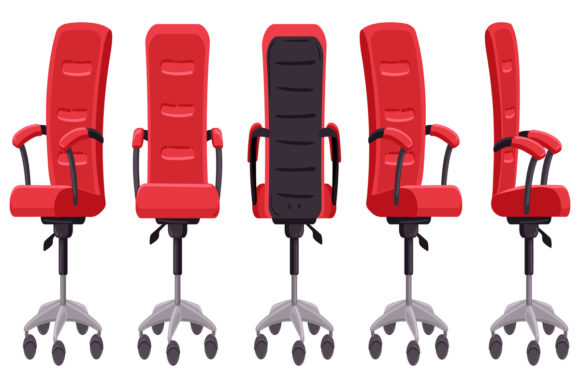
Observations from the creative community note that the most effective sets are those that offer layered complexity. A basic character is useful, but sets that include separate accessory elements (like detachable controllers or floating achievement icons) allow for more compositional creativity. The integration of environment elements—a simple gaming chair, a desk outline—can also help place the character in a relatable scene without requiring full background illustration.
Connecting to Larger Developments: The Meta-Verse of Brand Identity
The adoption of standardized character vector sets is part of a larger movement towards modular, system-based design in digital commerce. Just as companies use icon font libraries and UI component frameworks, these character sets become persona components for brands interacting with the gaming sphere. This connects directly to:
- The Rise of Digital Brand Avatars: As brands explore more immersive digital presence (in virtual spaces, on streaming platforms), having a consistent, human-like brand representative becomes valuable. These vector sets provide a foundational avatar design.
- Content Strategy at Scale: For platforms that serve millions of users (like game stores, review aggregators, or Discord communities), personalized visual communication is impossible. A set of well-designed vector personas allows for a sense of personal touch within a mass-scale operation.
- The Blending of Gaming and General Digital Lifestyle: Gaming symbols are increasingly intertwined with broader tech culture. A vector set that includes a character interacting with both a console and a smartphone visually bridges this gap, acknowledging the seamless way players move between devices.
In conclusion, the Gamer Boy and Girl Character Set Vector, complemented by console and mobile gaming symbol illustration vectors, is far more than a stock graphic. It is a response to matured market needs: for speed, consistency, inclusivity, and symbolic clarity. It provides a versatile, technical solution for creators and a resonant, human-centric symbol for audiences. As the lines between gaming, content creation, and mainstream digital life continue to blur, these structured visual toolkits will likely become even more central to building coherent and engaging identities in the digital arena. Their value lies not just in their pixels and paths, but in their ability to tell a consistent story about who plays, and why it matters.